
Hair Styling
Three Flat-Iron Looks for Holiday Gatherings
Choose the finish first: sleek straight hair, relaxed bends and waves, or more defined curls. Then follow the technique that belongs with it.
Product guidance from BeKind's current catalog, model documents and official styling demonstrations.
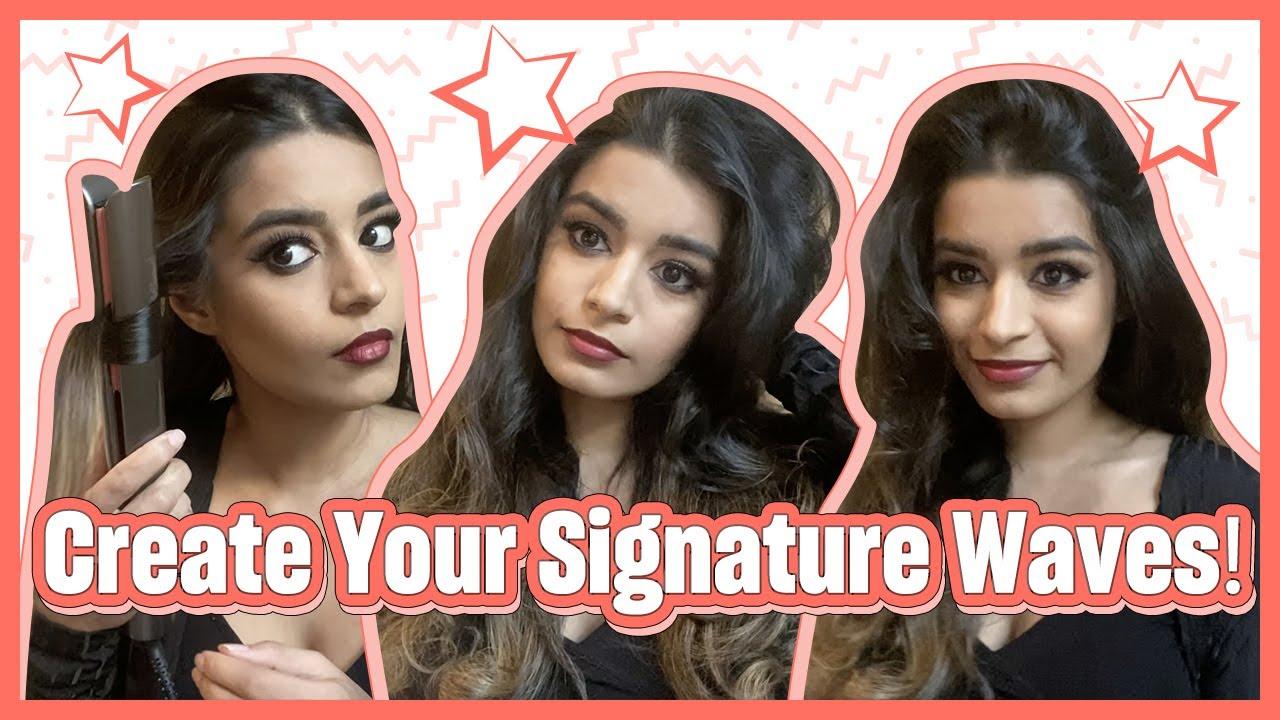
Choose a look you can practice comfortably
A holiday gathering or year-end party is a good reason to choose a finish, not a reason to rush an unfamiliar hot-tool routine. Pick a look you can practice comfortably, consider your hair's current condition and use a method that fits the tool you own. This guide focuses on adult flat-iron looks that connect to existing Apex demonstrations.
Apex's floating plates and rounded exterior support different motions, but each finish calls for a deliberate choice. Start with the table, then open the detailed method for preparation and movement. The photographs and videos show examples of styling; they do not promise the same shape, timing or hold for every person.
| Look | Choose it when you want | Detailed starting point |
|---|---|---|
| Sleek straight | A clean line, with straight ends or a small inward bend | The flat-iron straightening routine |
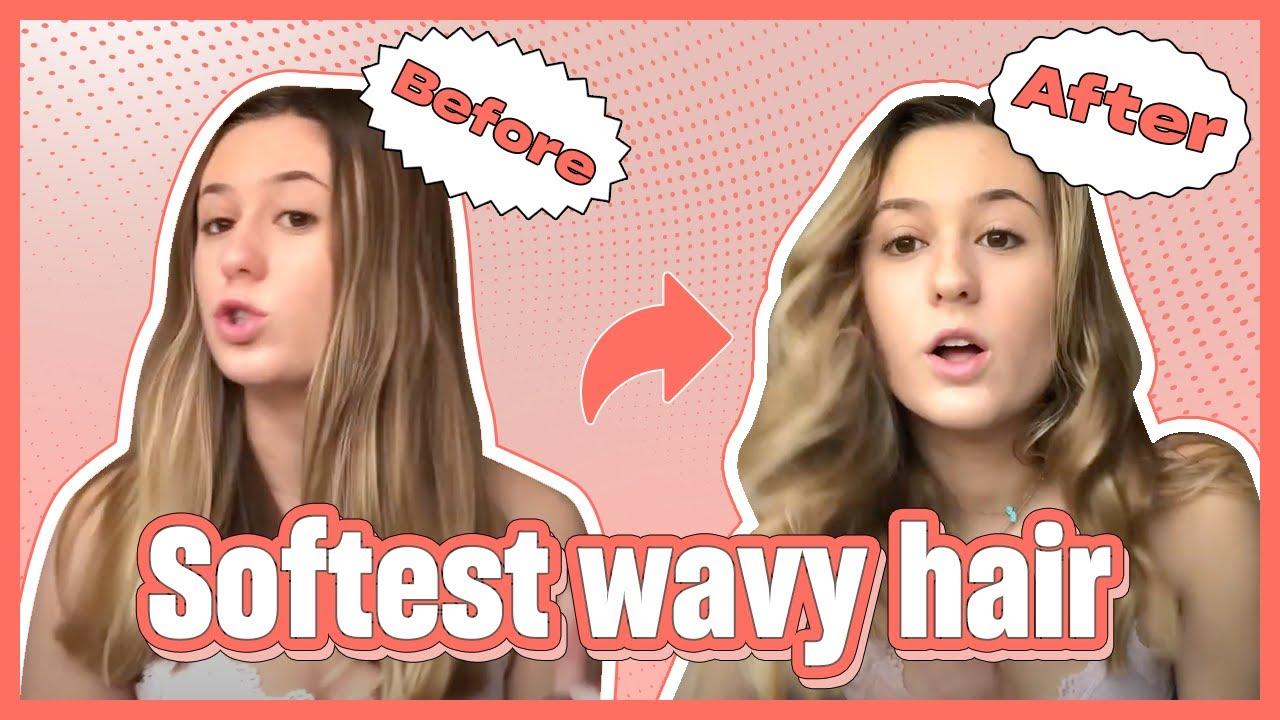
| Soft bends or waves | A relaxed shape with movement through the lengths | The turning method and soft-waves demonstration |
| More defined curls | A more noticeable curved finish | The curling method and signature-wave demonstration |
A sleek straight finish
Choose a straight finish when you want the outline of the hair to stay simple. A part you already like can make the result feel familiar, while a slight inward bend at the ends changes the silhouette without turning the whole style into curls. The choice is about the finish you want, not a universal rule for a particular hair type.
Use the complete straightening guide for drying, detangling, sectioning and a continuous glide. Check the result after it cools before deciding whether more work is necessary. For a gathering, leaving time for that check is more useful than repeatedly chasing a perfectly identical section while it is still hot.
Soft bends or waves
Soft waves create movement while keeping the overall look relaxed. Decide whether you want a gentle bend near the ends or shape through more of the length; those are different intentions even when you use the same tool. Watch the official Apex soft-waves demonstration to observe the hand position and direction before trying the movement yourself.
Keep the detailed motion on the curling guide: it explains the turn and glide, light pressure and the adjustments that influence the result. Rehearse an unfamiliar turn with the tool switched off and cool. Once styled hair has cooled, separate it gently to judge the shape rather than immediately reheating anything that looks different from the video.
More defined curls
If you want a more pronounced curved finish, the signature-wave routine offers another way to see Apex in motion. Notice how the demonstrator manages a section, turns the rounded tool and continues toward the ends. Choose a consistent starting point as you practice, so you can tell which adjustment changed the result.
The full curling method explains how section size, rotation and glide interact. A more defined finish does not automatically call for more heat. Allow the styled section to cool and check it before changing the movement or setting. Your hair, its length and the preparation can all influence how the example translates to your routine.
Prepare, choose heat and let the style cool
Set up the routine before the occasion: start with completely dry, detangled hair, inspect the tool and follow any styling-product directions. Check Apex's temperature selection even if you used it recently; memory recalls a previous choice, not an assessment of today's hair. Read the temperature guide if you are unsure what the available steps mean.
General American Academy of Dermatology advice also supports a considered approach to heated styling. Stop if the tool is damaged, catches painfully or operates unusually. Allow styled hair to cool before evaluating it, and switch off, disconnect and cool the appliance before storage. Do not pack a hot tool simply because it is time to leave.
Keep the look useful beyond December
These finishes can also suit dinners, celebrations and everyday plans later in the year. Save the technique you actually use, along with the relevant model instructions, rather than treating a seasonal label as a different styling method. The three-style demonstration is another starting point when you want to compare approaches.
Return to the Apex hub for the full learning route, or check the product page for current specifications and options. Choose the next step that answers your question: how the tool moves, how its controls work or how to care for it afterward.