
Hair Care
Flat Iron Temperature: Understanding BeKind Apex Settings
Know the controls your tool actually offers, then make a considered choice for your hair, preparation and styling routine.
Product guidance from BeKind's current catalog, model documents and official styling demonstrations.
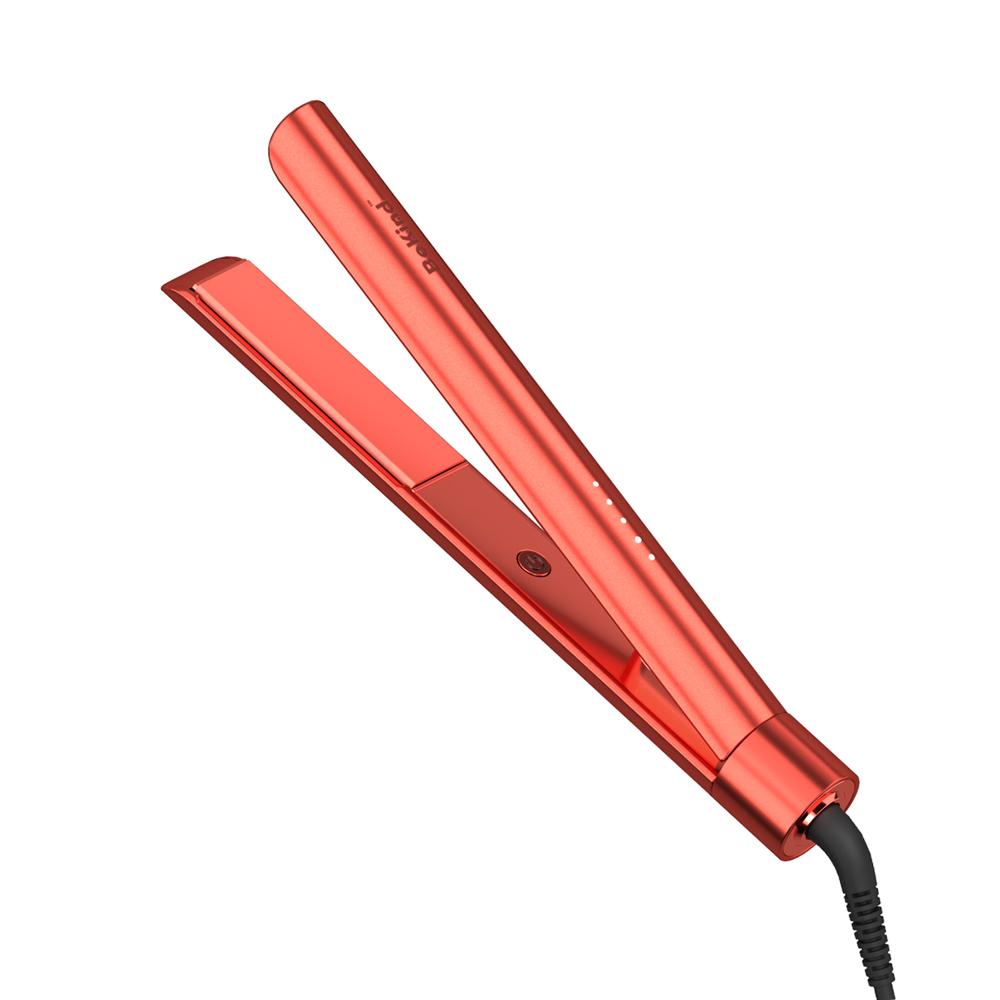
There is no single setting for everyone
A flat iron's temperature range describes its controls. It does not tell you which setting will suit every head of hair. Texture, strand condition, previous coloring or chemical services, and the way you prepare a section all matter. A number used by someone in a video is a starting point for understanding their routine, not a prescription for yours.
Apex's lowest selectable temperature is 320°F. If your routine calls for a lower setting, the tool cannot provide it. Fine, fragile, bleached or otherwise compromised hair deserves particular care; when you are unsure about its condition, ask a qualified stylist before choosing a heated approach. The American Academy of Dermatology's general styling guidance also emphasizes considered use of heated tools.
Apex's five current settings
The current BeKind Apex BH002 settings are 320°F, 360°F, 390°F, 420°F and 460°F. These are selectable steps rather than a continuous dial. The table identifies the controls, without assigning a universal temperature to a hair type.
Some supplied manual artwork shows 430°F for the fourth setting. BeKind's model-document page explains that the current selection is 420°F and that the artwork is being corrected. Check the model, the supplied instructions and the current clarification together; contact support if your tool's controls do not match what you expect.
| Selection | What to know |
|---|---|
| 320°F | Lowest available setting; not a guarantee of suitability for fragile hair |
| 360°F | The next selectable step; reassess the result before changing settings |
| 390°F | A higher option, not a required everyday starting point |
| 420°F | Current fourth setting, confirmed by BeKind |
| 460°F | Highest available setting; maximum capability is not a universal recommendation |
Before adjusting the setting
Start by checking preparation. Hair should be completely dry and detangled before using a dry-hair heated tool. If you use a heat protectant, follow its directions and allow the hair to be ready for styling before the plates touch it. Inspect the cool plates for residue and the appliance for damage before plugging it in.
Next, check the section and movement. A thick bundle is harder to guide evenly than a manageable, flat section. Pausing, clamping firmly or catching a tangle can make the finish uneven even when the selected temperature has not changed. Correct the preparation or motion before assuming the next heat level is the answer.
- Use the lowest effective setting consistent with your tool's instructions and your hair's condition.
- Keep the tool moving rather than holding a hot plate against one point.
- Let a section cool before judging the finish or deciding on another pass.
When to pause or choose another approach
Stop if styling is uncomfortable, the tool catches painfully, or you notice unusual odor, visible scorching or a change in the appliance's operation. More heat and repeated passes are not a troubleshooting routine. Switch off, disconnect when safe to do so, and allow the appliance to cool before inspecting it.
A damaged cord, a visibly damaged plate or an unusual operating change calls for support rather than an attempt to compensate with technique. If the concern is your hair's condition, individual guidance is more useful than a generic internet chart. Choosing to postpone heat styling or use a different approach can be the appropriate decision.
Temperature memory and repeat use
Apex's memory function recalls the previous temperature selection. That can make setup familiar, but yesterday's choice may not match today's routine. Check the selection whenever you switch the tool on, particularly after someone else has used it or after your hair has been colored, treated or otherwise changed.
PTC heating and the catalog's approximate 15-second heat-up description are product features, not a measurement of how long you should keep hair between the plates. Keep the setting, the state of the tool and the styling movement as separate checks. Use the Apex hub to return to the detailed technique you intend to practice.