
Hair Care
How to Clean a Flat Iron: A Model-Aware Care Routine
Keep the care routine simple and specific to your model: disconnect, cool, wipe as instructed and check the tool before its next use.
Product guidance from BeKind's current catalog, model documents and official styling demonstrations.
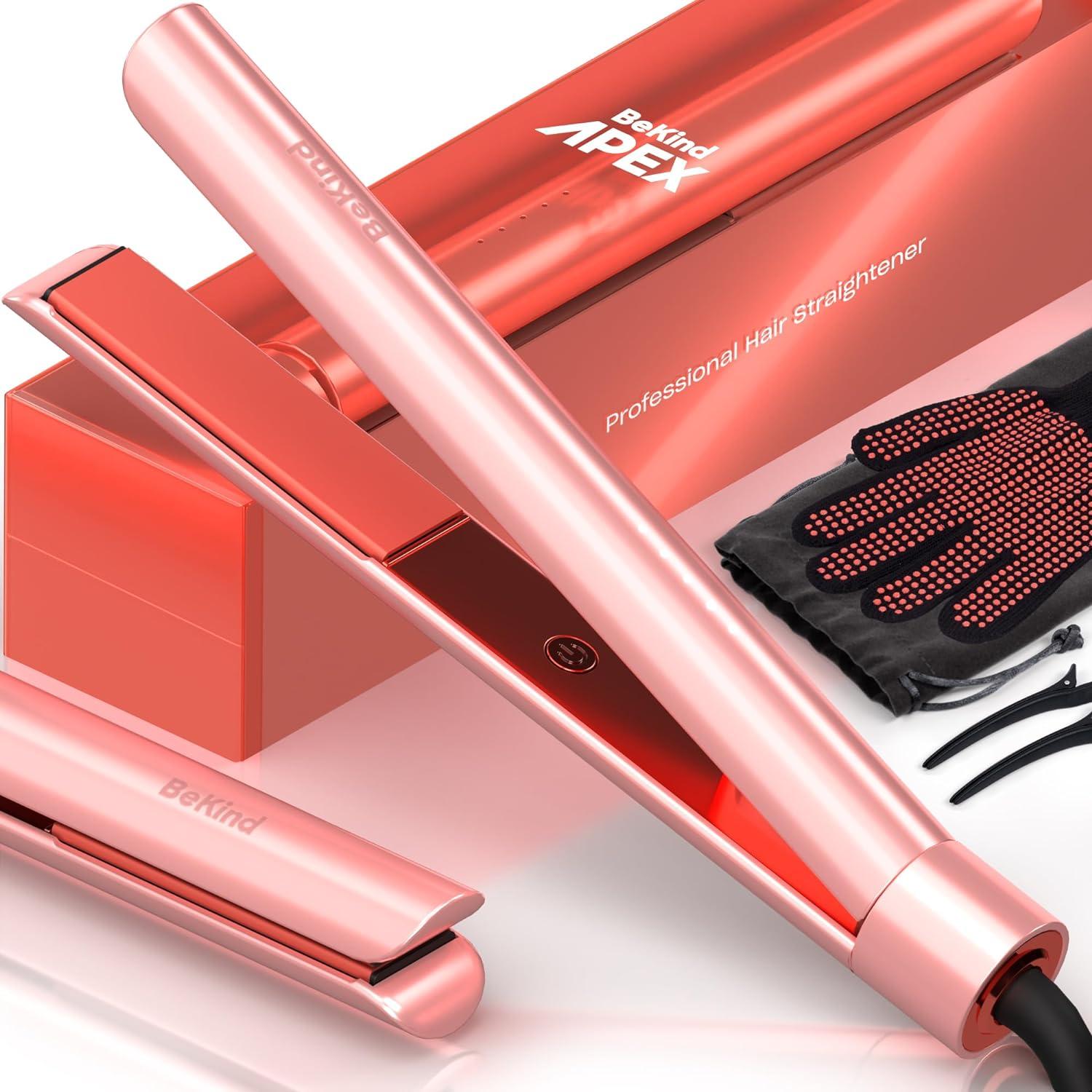
Read the instructions for your model
To clean a flat iron, begin with the manufacturer's instructions, not a household cleaning recipe. Different tools can have different surfaces, controls and openings. A method described for another appliance or coating is not automatically suitable for BeKind Apex.
The checked Apex BH002 instructions call for disconnecting the appliance, allowing it to cool and wiping it with a damp cloth. Keep the appliance out of children's reach, and do not wrap its cord around it. Use the documents linked below alongside the instructions supplied with your own tool. Ask BeKind if you cannot identify the model or the correct care information.
Disconnect and let the tool cool
Switch off and unplug before cleaning. Allow the tool to cool fully, including the plates, instead of starting while it is merely comfortable to hold by the handle. The time required can vary with the previous setting and the surroundings, so a fixed number of minutes is not a reliable substitute for a cool tool.
Choose a clear, dry place to work. Keep the unplugged appliance and cord away from water, and arrange the cord so it does not pull the tool off the surface. Cleaning is a separate task from styling: do not keep the iron connected to make residue warmer or easier to remove.
Wipe as instructed
Use a soft cloth that is damp rather than dripping. Apply moisture to the cloth, not by spraying or pouring liquid onto the appliance. Gently wipe the cool surface as directed, keeping liquid away from openings and controls. A cloth should remove residue without a scraping action.
Do not soak the tool or immerse it in water. Avoid sharp implements, abrasive pads and disassembly. The damp-cloth instruction is also not permission to introduce alcohol, vinegar, baking soda or another household mixture. If the supported method will not remove a mark, contact BeKind before trying a stronger approach.
| What you notice | Next step |
|---|---|
| Light residue on a cool surface | Use the damp-cloth method described in the model instructions |
| A mark that does not lift gently | Stop scraping or adding products; ask support for model-specific advice |
| A damaged surface, cord or unusual operation | Stop using the tool and contact support |
Check before storing or using again
After wiping, check that the tool is dry before storing it or reconnecting it. Inspect the plates, body and cord while the appliance is cool. A new crack, a damaged cable or an unexpected change deserves attention even if the surface now looks cleaner. Do not plug in a damp appliance to test whether it still works.
Let the cord rest without tight bends and do not wrap it around the iron. Store the cooled tool in a dry location, away from children. If you put it in a case or bag, first confirm that the tool is fully cool and that the storage method is suitable under its instructions.
- Disconnected and fully cool before cleaning
- Cleaned using the model's supported method
- Dry, inspected and stored with the cord unwrapped
What buildup can and cannot tell you
Check the plates before each styling session rather than waiting for a calendar reminder. Product use and storage habits vary, so the need for cleaning can vary too. Visible residue is a reason to follow the supported care routine; it does not tell you that a higher temperature or a firmer clamp will solve an uneven finish.
Dragging can also involve tangles, a section that is too thick or a damaged surface. If gentle cleaning does not resolve a concern, pause and seek advice rather than repeatedly running the tool over hair. For broader hair-care habits, the American Academy of Dermatology provides a separate general reference; appliance cleaning remains governed by the tool's instructions.